

Key Takeaways
- Porcelain veneers are highly resistant to staining due to their smooth, non-porous surface, unlike natural enamel or composite resin.
- Most stains affecting veneers are superficial and typically occur along the margins or from surface abrasions, not in the porcelain itself.
- Proper oral hygiene, including regular brushing, flossing, and professional cleans, is key to maintaining the veneer’s bright appearance and preventing edge discolouration.
- Limiting pigmented foods and drinks, avoiding tobacco, and addressing gum recession help reduce staining risk around veneers.
- Veneers generally last 10–15 years and may require refurbishment or replacement if there is visible margin staining, damage, or a cosmetic mismatch with natural teeth.
Porcelain veneers are renowned for their exceptional stain resistance, making them a popular choice for those seeking a consistently bright smile. Unlike natural teeth that readily absorb pigments from coffee, tea, and wine, porcelain veneers feature a non-porous surface that effectively repels most common stains. At Totalcare Dental and Dermal in Bondi Junction, we regularly help patients maintain their radiant smiles through proper veneer care and comprehensive dental health services.
If you’re considering enhancing your smile with Totalcare Dental and Dermal or need expert advice on maintaining their brightness, our experienced team is ready to assist you with personalized recommendations and professional care.
What Are Porcelain Veneers?
Porcelain veneers are thin shells of dental ceramic bonded to the front surfaces of teeth. Dentists at Totalcare Dental and Dermal in Bondi Junction use veneers to improve colour, shape and alignment. Veneers help cover chips, discolouration, minor gaps and worn enamel on visible teeth.
Each porcelain veneer is custom-made in laboratories to match a patient’s natural tooth shade and contour. These veneers use medical-grade, stain-resistant ceramic that’s less porous than natural enamel, offering a smooth, glossy finish.
We fit veneers in a procedure spanning two or more appointments. In the first visit, we assess suitability, prepare teeth by removing a thin enamel layer and take precise impressions. In the next appointment, we bond the finished veneers with strong dental cement after checking the fit and colour. This approach ensures each set of veneers aligns seamlessly with a patient’s natural smile.
Patients at Totalcare Dental and Dermal often choose porcelain veneers for a lasting cosmetic result that resists stains from coffee, tea and red wine, unlike composite alternatives. This treatment appeals to those looking for both durability and a consistently bright smile.
How Staining Occurs in Dental Materials
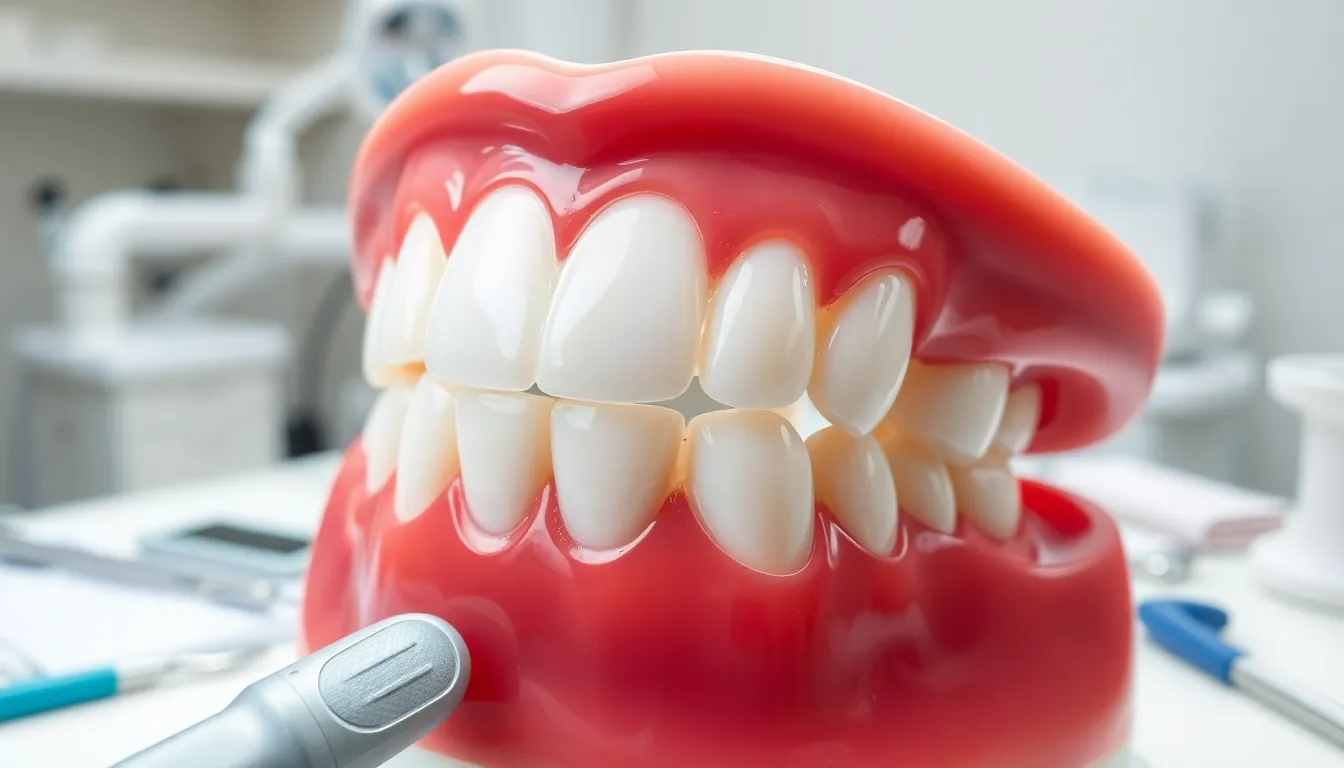
Staining in dental materials relates to the structure and surface properties of each material. We see different behaviours in natural enamel, porcelain veneers and composite resin solutions.
The Science Behind Stains
Material composition and surface characteristics decide the level of stain resistance. Porcelain veneers show stain resistance due to their smooth, non-porous glass-ceramic structure[2][3]. No pigments or microbes penetrate porcelain’s vitrified surface, which means it avoids intrinsic discolouration even after years of contact with pigments[2]. Natural tooth enamel, with its porous crystalline structure, absorbs pigments from substances like coffee, tea, red wine and tobacco[5]. Composite resin, found in some cosmetic dental options, allows deeper pigment absorption, leading to gradual colour changes[2][5]. We see surface stains on porcelain veneers only due to external deposits collected in micro-abrasions from acidic foods, bruxism, or improper cleaning devices[1][3][4]. Bonding cement sometimes discolours at the veneer margins if exposed to bacteria or contaminants[1].
Factors That Influence Staining
External influences affect the appearance of dental restorations. Oral hygiene determines plaque or tartar presence—poor brushing creates marginal stains along the gum line[1][4]. Dietary choices—frequent intake of coffee, red wine, or richly pigmented food—leave superficial residues that regular dental or professional cleaning resolves[3][5]. Physical damage such as chips and cracks from grinding or accidental trauma gives stains a place to settle[4]. Patients with receding gums often notice the exposed edges of natural teeth near the veneer margin stain faster, causing a visible contrast[3][5]. Smoking leaves tar deposits on surfaces, but these stains remain superficial on porcelain veneers and usually require only professional cleaning for removal[5].
Regular dental maintenance at Totalcare Dental and Dermal, Bondi Junction, including professional cleans and protective dental appliances for bruxism, reduces the risk of staining around veneers and supports their long-term appearance.
| Dental Material | Intrinsic Stain Resistance | Surface Staining Risk | Key Factors for Discolouration |
|---|---|---|---|
| Porcelain Veneers | High | Low | Micro-abrasions, cement margins |
| Composite Resin | Low | High | Pigment absorption |
| Natural Enamel | Low | High | Porosity, diet, oral hygiene |
Do Porcelain Veneers Stain?

Porcelain veneers maintain their colour and resist staining far more effectively than natural teeth. The non-porous surface keeps out pigments from coffee, tea and red wine, giving long-lasting brightness with proper care.
Comparison with Natural Teeth
Natural teeth, with a porous enamel surface, readily absorb stains from food or drink. For example, coffee, tea and curry often cause long-term surface discolouration.
Porcelain veneers, with a smooth, non-porous glass-ceramic structure, block the absorption of pigments. The durable glazed finish remains intact, shielding the surface from staining agents that easily affect natural enamel. In our experience at Totalcare Dental and Dermal in Bondi Junction, patients see their veneers maintain a bright, consistent shade for many years, standing out against natural teeth that often show visible staining after the same exposures.
| Material | Porosity Level | Stain Resistance | Long-Term Colour Retention |
|---|---|---|---|
| Natural Teeth | High | Low | Low |
| Porcelain Veneers | None | High | High |
| Composite Veneers | Moderate | Moderate | Moderate |
Everyday Habits and Their Impact
Daily habits, such as drinking coffee or tea, usually stain teeth over time. Porcelain veneers resist these pigments, so regular intake of these drinks rarely changes the veneer surface. However, ensuring proper maintenance, like brushing twice daily and professional cleaning at Totalcare Dental and Dermal, keeps the gumline and the edge where the veneer meets the tooth free from staining. If poor oral hygiene occurs, staining can develop around the margins, though the veneer itself stays clear.
Composite resin veneers, made from porous material, absorb stains more easily. We see patients needing more frequent replacement or polishing of composite veneers compared to porcelain.
Routine dental reviews at Totalcare Dental and Dermal help us monitor veneer quality and address any margin discolouration early, supporting a consistent, attractive smile.
Tips to Prevent Stains on Porcelain Veneers
Porcelain veneers are engineered to stay bright for years, but ongoing care protects their stain-resistant properties and keeps your smile at its best. At Totalcare Dental and Dermal in Bondi Junction, we offer support and advice to help maintain porcelain restorations.
Oral Hygiene Best Practices
Consistent oral hygiene routines protect porcelain veneers against early discolouration at the margins or along the gum line. We advise brushing twice a day using non-abrasive fluoride toothpaste to clean the veneers without scratching their surface. Daily flossing removes plaque that collects near veneer edges, protecting the underlying tooth from staining. Rinsing with an alcohol-free mouthwash avoids softening the dental cement, supporting veneer stability and colour longevity. Bi-annual check-ups and professional cleans at Totalcare Dental and Dermal remove tartar buildup and detect minor concerns before they stain.
Foods and Drinks to Avoid
Limiting exposure to pigmented foods and drinks reduces the risk of stain accumulation, especially around gum margins. We recommend minimising intake of coffee, red wine, black tea, and dark soft drinks, as these liquids carry pigments that collect near veneer edges if left unchecked. Using a straw with these drinks further limits contact. Rinsing your mouth with water after consuming strongly coloured foods lessens pigment retention. Smoking or tobacco use causes nicotine deposits, increasing the chance of yellowish stains near veneers and soft tissues—avoiding these habits protects the whole smile. Addressing early gum recession at Totalcare Dental and Dermal prevents exposure of tooth material, which carries a greater risk of staining than porcelain.
| Prevention Method | Recommended Practice |
|---|---|
| Brushing | Twice daily, non-abrasive fluoride toothpaste |
| Flossing | Once daily, clean near edges |
| Mouthwash | Alcohol-free only |
| Professional cleaning | Every 6 months at Totalcare Dental and Dermal |
| Food/drink limitation | Coffee, tea, red wine, dark sodas—limit and use a straw |
| Tobacco | Avoid smoking/tobacco entirely |
| Rinsing | Water rinse after consuming coloured items |
| Gum health | Promptly address recession to prevent exposure and stain risk at veneer margins |
When to Replace or Refurbish Your Veneers
Porcelain veneers at Totalcare Dental and Dermal stay stain-resistant for many years, but some cases require refurbishment or replacement. Marginal staining can occur at the edge where the veneer meets the natural tooth, especially if gum recession exposes the underlying tooth structure. We usually recommend replacement when visible stains appear along the veneer margins or gums recede and display new tooth surfaces below the ceramic.
Surface damage such as chipping, cracking, or deep scratches reduces stain resistance and affects veneer appearance. After accidental trauma or prolonged use of abrasive toothpaste, chips or significant wear may lead us to suggest refurbishment or full replacement.
Aesthetic mismatch between veneers and nearby teeth also prompts replacement. Natural teeth may darken over time, making veneers contrast sharply, which some patients find undesirable.
On average, we see replacement or major refurbishment of porcelain veneers at our Bondi Junction clinic every 10–15 years, depending on oral hygiene and veneer condition. Regular check-ups allow our team to detect early issues, remove any surface deposits, and advise when restoration is necessary. If you notice new stains, visible edge lines, or altered appearance, scheduling an assessment at Totalcare Dental and Dermal helps maintain long-term results.
About Totalcare Dental and Dermal
Totalcare Dental and Dermal, located in Bondi Junction, NSW, offers a comprehensive range of dental and dermal services with a focus on improving and maintaining oral health in a comfortable, patient-centered environment.
Owned by Ishara Goonewardene, the clinic provides general dentistry, cosmetic treatments, orthodontics, dental implants, and emergency care. Specialized services include teeth whitening, veneers, and sedation dentistry.
Totalcare Dental and Dermal is dedicated to delivering high-quality care and a positive experience for every patient.
Contact:
Ishara Goonewardene, Owner
Phone: (02) 9387 3637
Email: [email protected]
Address: Shop 3, Ground Level/1 Spring St, Bondi Junction NSW 2022
Website: www.totalcaredentistry.com.au
Frequently Asked Questions
Are porcelain veneers prone to staining?
Porcelain veneers are highly resistant to staining due to their smooth, non-porous surface. Unlike natural teeth, they do not absorb pigments from foods or drinks. With proper care, porcelain veneers can maintain their bright appearance for many years.
How long do porcelain veneers last before needing replacement?
Porcelain veneers typically last between 10 and 15 years before major refurbishment or replacement may be needed. Their longevity depends on factors such as oral hygiene, dietary habits, and regular dental check-ups.
Can I drink coffee, tea, or red wine with porcelain veneers?
Yes, you can enjoy coffee, tea, or red wine with porcelain veneers. These veneers are designed to resist stains from common beverages. However, maintaining good oral hygiene and regular dental cleanings will help keep them looking their best.
How do porcelain veneers differ from composite veneers in terms of stain resistance?
Porcelain veneers are far more stain-resistant than composite veneers. Their non-porous, glass-ceramic structure does not absorb pigments, whereas composite materials are more porous and can stain over time.
What causes the edges of veneers to stain?
Marginal staining can occur at the edges, especially if gum recession happens or if oral hygiene is neglected. Pigments and plaque can collect at the margin between the veneer and the natural tooth, leading to visible lines or discolouration.
How can I prevent stains on my porcelain veneers?
To prevent stains, brush twice daily with non-abrasive toothpaste, floss every day, use alcohol-free mouthwash, and avoid tobacco. Rinse your mouth with water after consuming pigmented foods or drinks, and attend regular dental check-ups.
Can veneers be replaced if they become stained or damaged?
Yes, veneers can be replaced if they develop stains, chips, cracks, or if there is a noticeable mismatch with your natural teeth. Consult your dentist for evaluation and recommendations on refurbishment or replacement.
Will my veneers match my natural teeth?
Each porcelain veneer is custom-made to match your natural tooth shade and contour, ensuring a seamless and natural-looking smile. Your dentist will work with you to select the most appropriate colour.
Do I need special products to care for my veneers?
No special products are needed—simply use a soft-bristled toothbrush, non-abrasive fluoride toothpaste, and alcohol-free mouthwash. Avoid abrasive products to protect both your veneers and gums for long-lasting results.
How often should I see my dentist after getting veneers?
It is recommended to attend regular dental check-ups—usually every six months—to maintain your veneers. Your dentist will check the health of your teeth, gums, and the condition of your veneers to ensure they last as long as possible.