

Key Takeaways
- Fasting before IV sedation dentistry is essential to minimise risks such as aspiration, vomiting, and unpredictable sedation responses.
- Patients must avoid all solid foods, semi-solid foods, and dairy for at least six hours prior to their appointment.
- Clear fluids like water can be consumed up to two hours before the procedure; no fluids are allowed in the final two hours.
- Alcohol, caffeine, heavy meals, and non-clear beverages should be avoided for at least 24 hours before IV sedation.
- Strict adherence to dentist-provided fasting instructions and open communication with the dental team are crucial for a safe and smooth sedation experience.
Many people experience anxiety about dental procedures, making IV sedation an appealing option for a more comfortable experience. For patients scheduled to undergo IV sedation dentistry, understanding proper preparation—particularly regarding food and drink restrictions—is essential for ensuring both safety and effectiveness during the procedure.
IV sedation dentistry uses intravenous medication to induce deep relaxation while maintaining consciousness. This approach is particularly beneficial for those with dental anxiety, strong gag reflexes, or those undergoing complex procedures such as wisdom tooth extraction. While patients remain responsive throughout, they often have little to no memory of the treatment afterward, making it an excellent solution for stress-free dental care. For comprehensive information about sedation options, Sleep Dentistry Brisbane offers specialized services designed to ensure patient comfort and safety.
Understanding IV Sedation Dentistry
IV sedation dentistry in Brisbane uses intravenous medication to induce deep relaxation during dental procedures. Dentists with specialist training monitor patients closely throughout the process. Many patients at Sleep Dentistry Brisbane choose IV sedation to manage fear of dental visits or complex treatments like wisdom tooth removal. The sedation acts quickly, making patients responsive but often unable to recall the procedure. Vital signs including heart rate, blood pressure and oxygen levels stay under constant observation for safety.
IV sedation differs from general anaesthesia because patients breathe on their own and don’t lose consciousness completely. Dentists at Sleep Dentistry Brisbane recommend this option for people with moderate to severe anxiety, strong gag reflexes, or difficulties sitting still for extended periods. The medication wears off within hours but affects memory and coordination for up to 24 hours. Decisions about fasting, eating, or drinking before IV sedation depend on practice protocol and individual health needs. Practices across Brisbane, including Sleep Dentistry Brisbane, provide written instructions to prevent complications related to eating before sedation and to improve patient safety.
Why Fasting Is Important Before IV Sedation
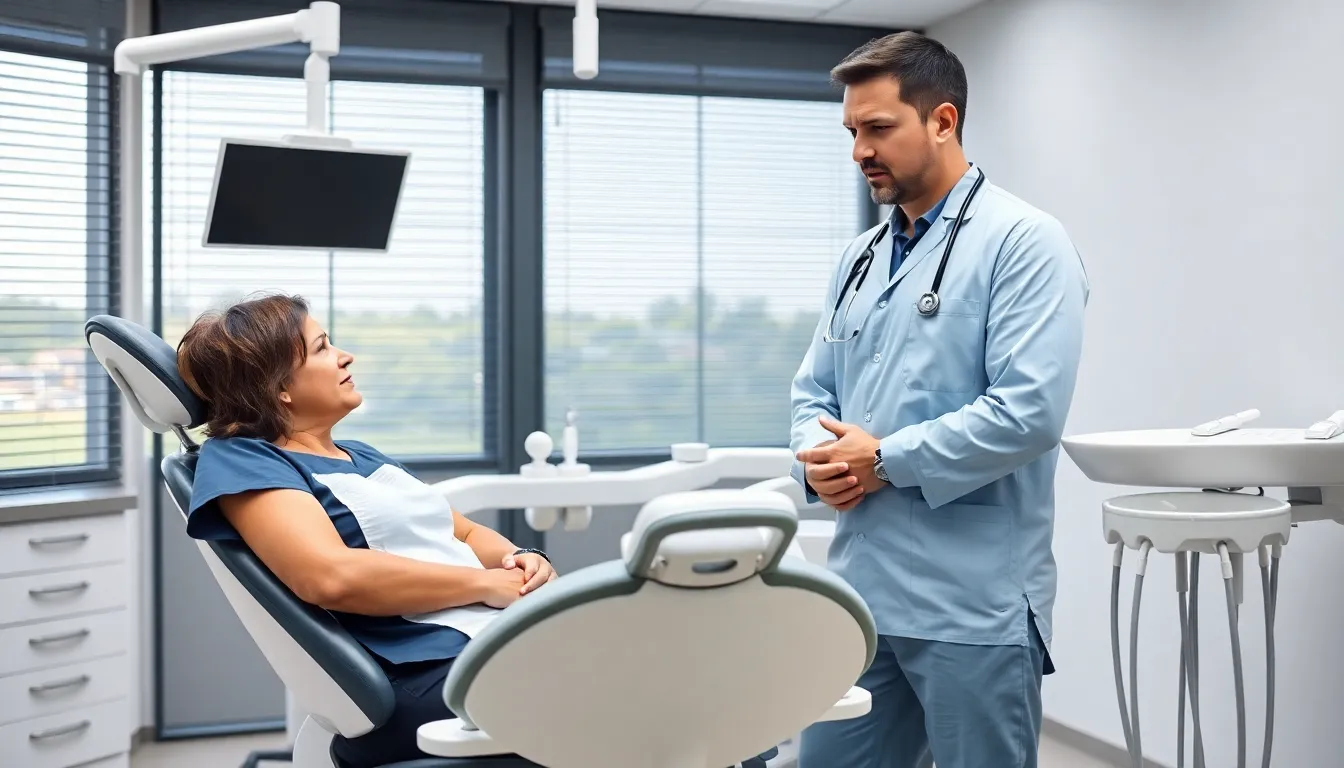
Fasting helps patients at clinics like Sleep Dentistry Brisbane reduce anaesthetic risks during IV sedation. Eating or drinking before sedation increases the danger of complications for dental patients.
How Food and Drink Affect Sedation
Food or drink in the stomach increases aspiration risk during IV sedation. Sedatives slow the body’s natural protective reflexes, making airway protection less reliable. Brisbane dentists, including those at Sleep Dentistry Brisbane, follow evidence-based guidelines that require fasting for 6–8 hours before treatment. Digested food alters medication absorption and can cause nausea or vomiting under sedation, creating unpredictable responses to intravenous drugs.
Potential Risks of Not Fasting
Eating before IV sedation raises the risk of aspiration pneumonia due to stomach contents entering the lungs. Patients who haven’t fasted may experience vomiting or blocked airways, especially after sleep dentistry procedures. Unpredictable drug effects or delayed onset of sedation also occur, increasing the chance of emergencies in dental clinics. Sensible fasting protocols help keep patients safe during IV sedation at practices such as Sleep Dentistry Brisbane.
| Risk Factor | Description |
|---|---|
| Aspiration pneumonia | Stomach contents enter lungs, cause infection |
| Vomiting complications | Blocked airways, increased emergency risk |
| Unpredictable sedation | Delayed or unsafe drug responses |
Guidelines on Eating and Drinking Before IV Sedation
Dental teams at Sleep Dentistry Brisbane follow strict fasting protocols to lower sedation risks before IV sedation procedures. Adhering to these guidelines is necessary to support patient safety and sedation effectiveness.
What You Can and Cannot Consume
Patients with upcoming IV sedation in Brisbane must avoid solid foods, semi-solid foods such as porridge, and dairy products like milk for at least six hours before the appointment. They can drink clear fluids such as water or black tea (without milk) up to two hours before the procedure. They must avoid alcohol for 24 hours prior, caffeine-containing drinks, heavy or spicy meals, and non-clear beverages, since these increase the risk of sedation complications. Keeping hydrated earlier in the day is helpful, but liquid intake should reduce closer to the appointment to limit discomfort.
Recommended Fasting Time Frames
Sleep Dentistry Brisbane recommends a minimum fasting period of six hours for solids and dairy before IV sedation. For morning appointments, the last meal is usually before midnight, aligning with typical practice standards. Clear liquids, such as water, are allowed up to two hours beforehand, improving safety without increasing sedation failure risk. Patients must only eat again after receiving approval from dental staff, starting with light and easily digestible foods. Deviations from these time frames may raise the likelihood of nausea, vomiting, or reduced sedation efficacy according to Australian dental sedation guidelines.
What to Expect on the Day of Your Appointment
IV sedation appointments at Sleep Dentistry Brisbane follow a strict protocol to promote safety and comfort. Patients adhere to fasting rules and communicate closely with their dental care team to avoid complications.
Preparing Your Body for Sedation
Fasting is required before IV sedation at Sleep Dentistry Brisbane. Patients stop eating all solid and semi-solid foods—including dairy—at least six hours before their scheduled appointment. Only clear fluids, such as water or clear apple juice, may be consumed up to two hours before treatment. No water or any fluids are permitted during the final two hours before arrival. This protocol prevents aspiration and supports stable sedation outcomes. Alcohol, caffeine, heavy meals, and non-clear beverages are not permitted on the day of the procedure. Fasting guidelines apply to both adults and young patients.
Communicating With Your Dental Team
Communication ensures safe IV sedation. Sleep Dentistry Brisbane staff request patients inform the clinic of all current medications and any health changes on the morning of the procedure. Patients clarify if they have not followed fasting guidelines or if they’re feeling unwell before sedation. Dentists answer questions about timing for medications, fasting, and recovery. Clear communication helps address anxieties and safeguard against complications. The team provides guidance on when it’s safe to eat and drink again after the appointment and schedules follow-up contact as needed.
About Sleep Dentistry Brisbane
Sleep Dentistry Brisbane, located in Upper Mt Gravatt, QLD, provides a comprehensive range of dental services designed to be carried out under sedation to ensure a comfortable and stress-free experience. Owned by Ian Mason, the clinic offers services such as root canals, dental implants, and a variety of treatments for both adults and children. With several sedation options available—including general anaesthesia, intravenous (IV) sedation, and nitrous oxide (laughing gas)—Sleep Dentistry Brisbane prioritises patient comfort and care during procedures, ensuring a calm and relaxing environment.
Contact:
Ian Mason, Owner
Phone: (07) 3343 5006
Email: [email protected]
Address: 11/1932-1974 Logan Rd, Upper Mt Gravatt, QLD 4122
Website: www.sleepdentistrybrisbane.au
Frequently Asked Questions
What is IV sedation dentistry?
IV sedation dentistry involves the use of intravenous medication to help patients deeply relax during dental procedures. Patients remain conscious but calm, with little to no memory of the procedure afterwards. It’s often used for those with dental anxiety or for more complex treatments.
Why is fasting required before IV sedation?
Fasting is important to reduce the risk of complications during IV sedation, such as vomiting or aspiration. It ensures the procedure is as safe as possible and helps the dentist manage your care effectively.
How long should I fast before my IV sedation appointment?
Patients should avoid all solid and semi-solid foods, as well as dairy products, for at least six hours before their appointment. Clear fluids, such as water, can be consumed up to two hours before the procedure.
Can I drink water before IV sedation?
Yes, you can drink clear fluids, like water, up to two hours before your appointment. Avoid other beverages, such as milk, juice, alcohol, or caffeinated drinks, as these may increase the risk of complications.
What foods and drinks should I avoid before IV sedation?
You should avoid solid and semi-solid foods, dairy products, alcohol, caffeinated drinks, and heavy, spicy meals. Only clear fluids are allowed up to two hours prior to your appointment.
What happens if I accidentally eat before my appointment?
If you eat or drink outside the allowed times, inform your dental team immediately. The dental team may need to reschedule your procedure to ensure your safety.
When can I eat after IV sedation?
You should only eat again after receiving approval from your dental staff. They will advise you when it is safe based on your recovery and the specifics of your procedure.
Is IV sedation safe?
Yes, IV sedation is generally safe when performed by trained professionals. Your dentist will closely monitor you throughout the procedure to ensure your safety and comfort.
What should I tell the dental team before my appointment?
Let your dental team know about all current medications, recent health changes, and whether you have followed the fasting instructions. This information helps them manage your care and prevent complications.
Who should consider IV sedation dentistry?
IV sedation is recommended for patients with moderate to severe dental anxiety, a strong gag reflex, or those undergoing lengthy or complex dental treatments, such as wisdom tooth removal.